









Best Cinematic Background Music for Mini Documentaries
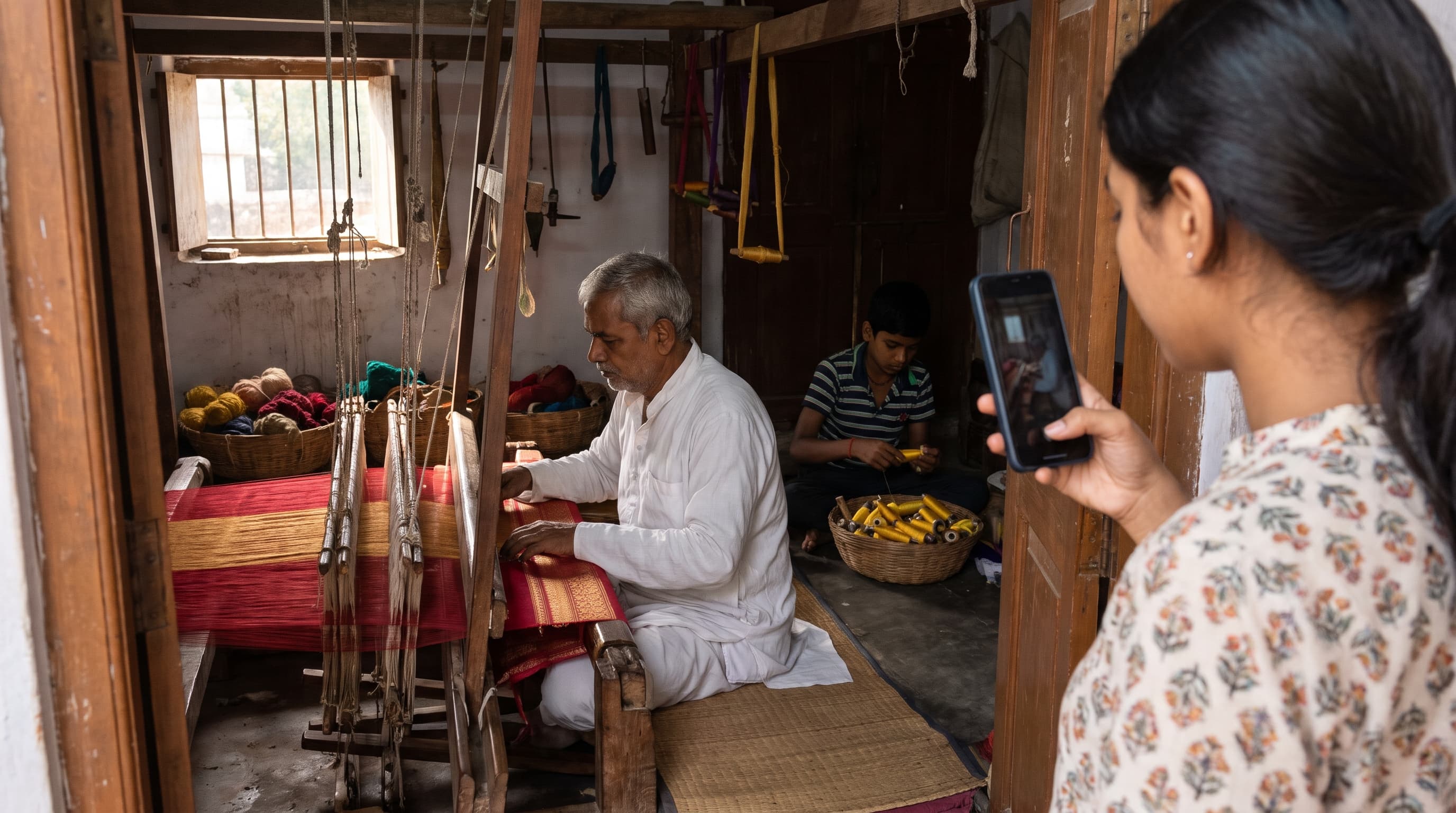
Finding the right music for mini documentaries involves selecting cinematic background scores that enhance the emotional arc of your story. The best tracks build suspense during investigative scenes and offer reflective melodies for interviews. Using properly licensed music ensures your documentary stays monetised and free from copyright strikes forever.
Creating a mini-documentary is all about holding your viewer's attention through compelling storytelling. While your interviews and B-roll carry the facts, your background score dictates how the audience feels. A well-chosen track turns a basic sequence of events into an immersive cinematic experience.
Whether you are uncovering a local mystery or sharing an inspiring personal journey on YouTube, your soundtrack is your invisible narrator. It guides the pacing, fills the silence during reflective pauses, and builds tension exactly when you need it.
Key takeaways
- Match the tempo of your background score to the emotional weight of your scene.
- Use reflective music for interviews and dramatic tracks for investigative B-roll.
- Pace your editing to the rhythm and transitions of your chosen track.
- Always use licensed music to protect your documentary from copyright claims.
- Hoopr provides perpetual clearance for YouTube, Instagram, and Facebook.
In this article
- What makes a cinematic documentary score work?
- How do I pace my documentary with music?
- What are the best tracks for emotional or reflective scenes?
- Can I use suspenseful music for investigative mini-documentaries?
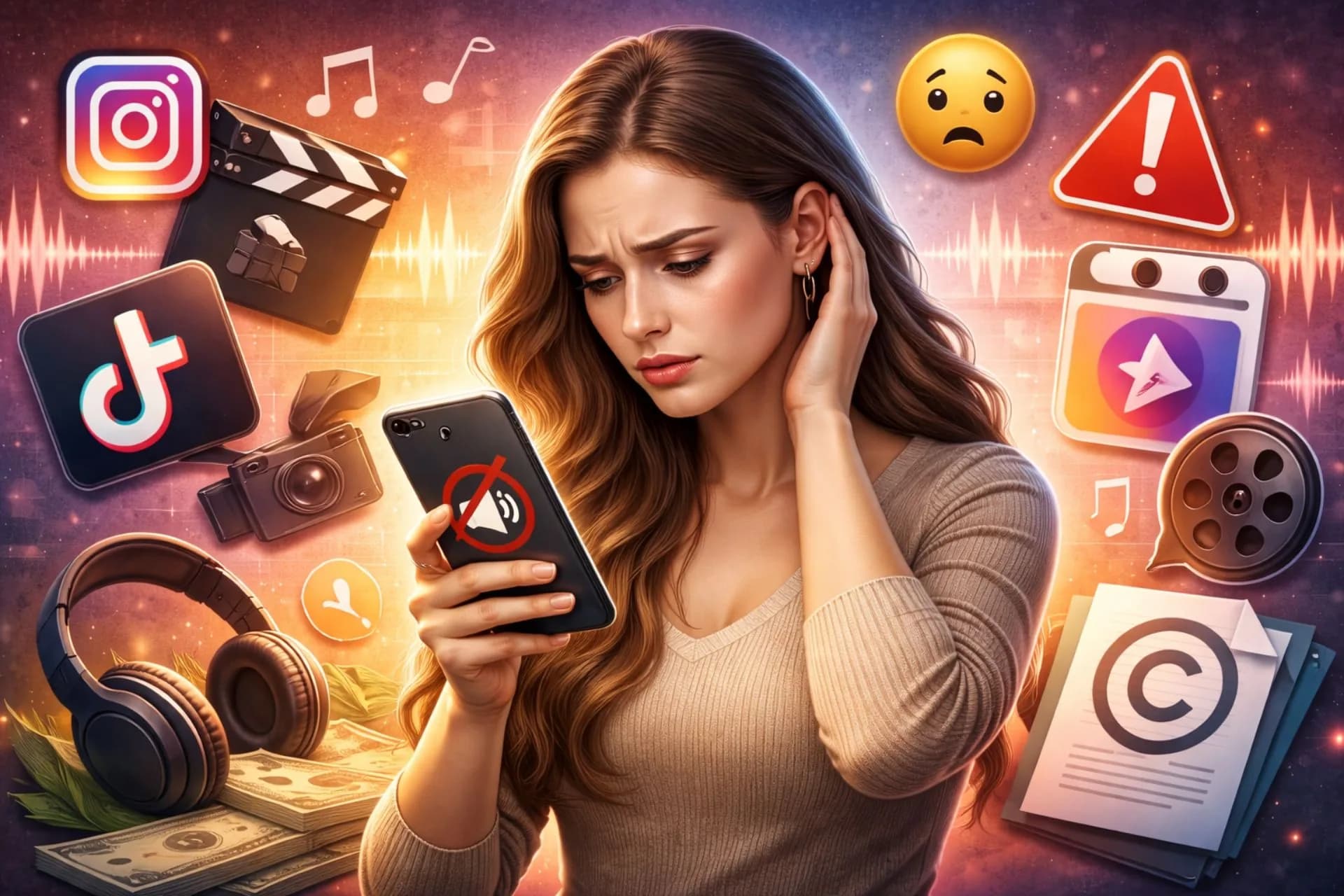
- What happens if I get a copyright claim on my documentary?
- Choosing the right Hoopr plan for your channel
- Frequently asked questions
What makes a cinematic documentary score work?
A cinematic score works by matching the emotional tone of your narrative without overpowering the dialogue. It acts as an anchor for your story, setting the mood from the very first frame. Whether you are building a profile on a local artist or investigating a historical event, the right audio cues tell the viewer how to interpret the visuals.
When you select a track, you are looking for dynamics. A good documentary track often starts subtly, builds up gradually, and offers natural pauses. This structure allows your voiceover to breathe and your audience to absorb the information. You can browse music by use case to find instrumental pieces that rely on strings, ambient synths, or soft percussion to drive the emotion forward.
How do I pace my documentary with music?
You pace your documentary by aligning your visual cuts and voiceover beats with the natural rhythm of your background music. This synchronisation creates a seamless flow that keeps viewers engaged.
- Lay down your primary audio track, including your main interviews and voiceovers, before adding music.
- Select a track from our curated playlists that matches the mood of the specific chapter you are editing.
- Place the music on your timeline and look at the audio waveform to identify the peaks and drops.
- Adjust your video cuts to happen on the beat, especially during montages or cinematic B-roll sequences.
- Lower the music volume slightly just before someone speaks, and raise it gently during silent, reflective moments.
Pacing is all about balance. If your video feels too slow, an energetic track can inject life into the edit. If the footage is chaotic, a calm, ambient score will help ground the viewer. Taking the time to match your cuts to the beat elevates your production value immensely.
What are the best tracks for emotional or reflective scenes?
The best tracks for emotional scenes feature soft, slow-building instrumentation that gives your audience time to think. These melodies work perfectly behind deep interviews or poignant visual moments.
Similar to finding winter vlog background music for aesthetic visuals, when your documentary touches on personal struggles or quiet realisations, you need music that feels intimate. A heavy, dramatic beat will distract the viewer, while a gentle, soulful score will pull them closer to the subject. This approach is especially useful for sit-down interviews where the subject is sharing a vulnerable story.
- Nashville Blues by Stereo Siddharth (Relaxing, Feel Good) — Relaxing, feel-good acoustic notes for deep reflection and thoughtful interviews.
- Musafir by Shubham Shukla (Calm, Soulful) — A calm, soulful melody perfect for late-night documentary sequences.
- Good Old Days by Kod.E (Nostalgic, Hopeful) — Nostalgic and hopeful tones that suit inspiring success stories.
- Sundal & Sunset by Yellow (Calm, Relaxing) — A relaxing, dreamy track that grounds peaceful cinematic B-roll.
- Esraj by Reni & Appu (Calm, Relaxing) — Intimate and relaxing instrumentation that lets your voiceover shine.
Can I use suspenseful music for investigative mini-documentaries?
Yes, suspenseful music is highly effective for investigative stories, as it builds tension and keeps the audience guessing. Dark, mysterious tracks are ideal for setting up a problem or revealing a shocking twist.
True crime, historical mysteries, and investigative journalism rely heavily on anticipation. You can layer deep bass or ticking audio from the sound effects library with eerie synths to make the viewer lean in. The key is to let the music swell right before a major revelation, then drop the audio to emphasize the impact of the discovery. This contrast between loud, intense music and sudden silence is a classic documentary technique.
- Chilling Footsteps by Divya Limbasia (Dramatic, Hopeful) — A dramatic, thrilling score that sets an immediate mysterious tone.
- Whispering Walls by Divya Limbasia (Dramatic, Thriller) — Dark, thrilling layers that build anticipation for a major reveal.
- The Final Scream by Divya Limbasia (Dramatic, Thriller) — An intense, dramatic track suited for high-stakes investigative scenes.
- Echoes of the Unknown by Divya Limbasia (Dramatic, Thriller) — Adventurous and mysterious beats that keep the audience hooked.
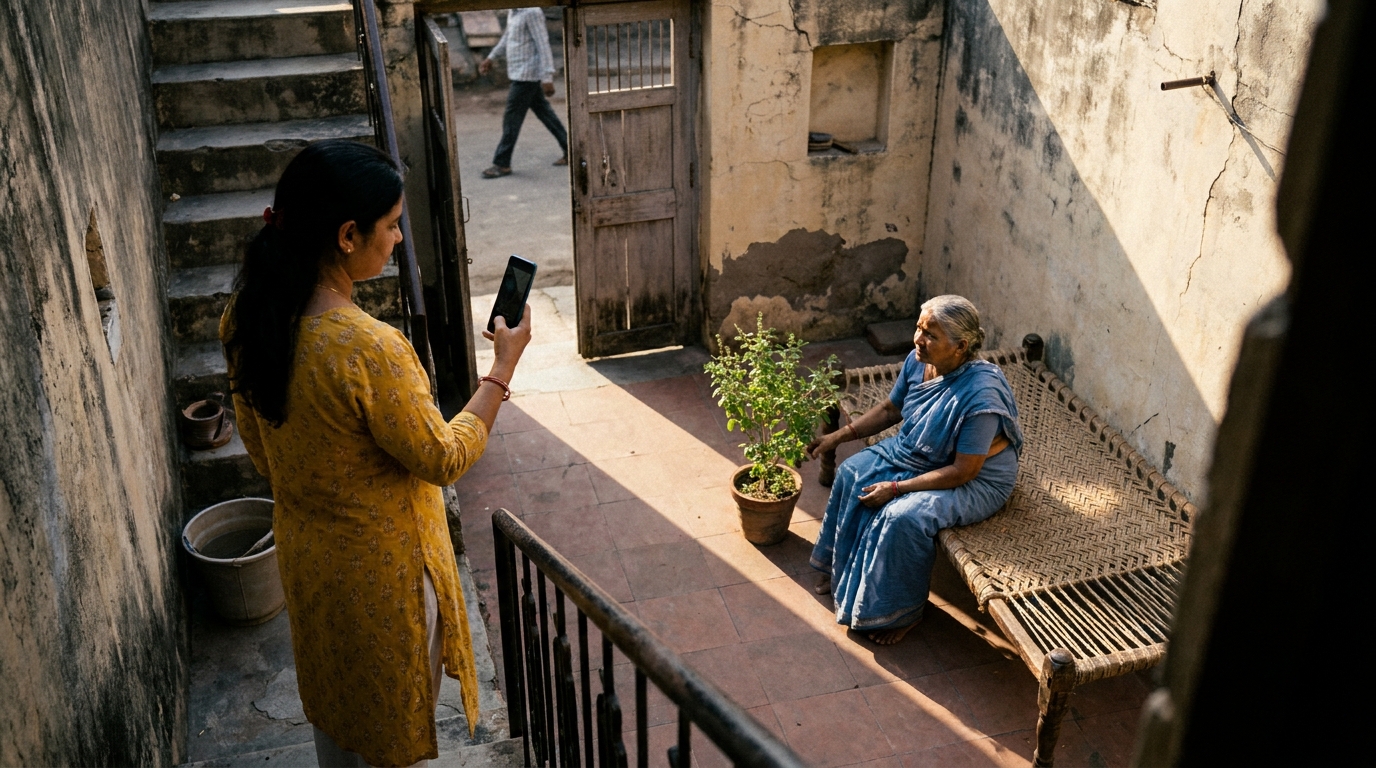
Emotional or suspenseful background scores add incredible depth to reflective and investigative moments in your video.
What happens if I get a copyright claim on my documentary?
If a copyright claim does appear on a whitelisted YouTube channel, you submit the video link from your account and Hoopr clears the claim upstream. Your video remains safe and monetised.
Documentaries take weeks or months to produce. The last thing you want is a Content ID claim demonetising your hard work. Content ID is an automated system that scans videos for copyrighted material. When you subscribe to Hoopr and link your channels, each individual channel is sent for whitelisting, which tells platforms you have the right to use the music.
Always ensure your channel is whitelisted before publishing to prevent claims from happening in the first place.
Understanding what music licensing is ensures your channel stays protected.
Choosing the right Hoopr plan for your channel
You choose a Hoopr plan based on the type of content you make and the number of channels you operate. Every plan offers unlimited downloads and worldwide, perpetual clearance for your published videos.
If you are an independent creator making personal documentaries, the Starter plan gives you everything you need for everyday videos. If your documentaries include affiliate links, you will need the Pro plan. For filmmakers working directly on paid brand collaborations, the Elite plan is the right fit. Upgrading is seamless if your channel grows and you start taking on sponsor work.
| Plan | Monthly Price | Channels per Platform | Best For |
|---|---|---|---|
| Starter | ₹399 | 1 | Personal content and everyday videos |
| Pro | ₹799 | 3 | Affiliate content |
| Elite | ₹1999 | 5 | Paid brand collaborations |
Frequently asked questions
Do I need to buy a separate licence for every documentary I make?
No, the Hoopr licence is per channel, not per video. Once you connect and whitelist your channel, you can publish as many documentaries as you want with Hoopr music. There is no cap on how many tracks you use.
Will my documentary lose its music clearance if I cancel my subscription?
No, the clearance on any video you publish while your subscription is active is worldwide and perpetual. Your existing documentaries will not receive claims after your plan ends. However, you need an active subscription to download new tracks.
Can I download individual stems for my background score?
Yes, Hoopr allows you to download separate elements of a track, known as stems. This is incredibly useful for documentary editing, as you can isolate a solo instrument or remove the drums to perfectly fit your scene.
Which social media platforms does Hoopr clear music for?
A Hoopr subscription clears your chosen number of channels on YouTube, Instagram, and Facebook. You can safely use the music and sound effects across these platforms without facing copyright mutes or strikes.
Can I use Hoopr music for a client's branded documentary?
Yes, if you are creating a documentary that involves a paid brand collaboration, you can use Hoopr music by subscribing to the Elite plan. This plan explicitly covers brand campaigns and provides a dedicated account manager.
Finding the right score is a crucial step in documentary filmmaking. The right music elevates your narrative, holds your audience's attention, and turns a simple video into a cinematic experience.
Ready to soundtrack your next big project? Browse the Hoopr Originals music catalogue today and discover high-quality tracks that bring your stories to life. Explore our subscription plans to get unlimited downloads and perpetual clearance for your channels.