






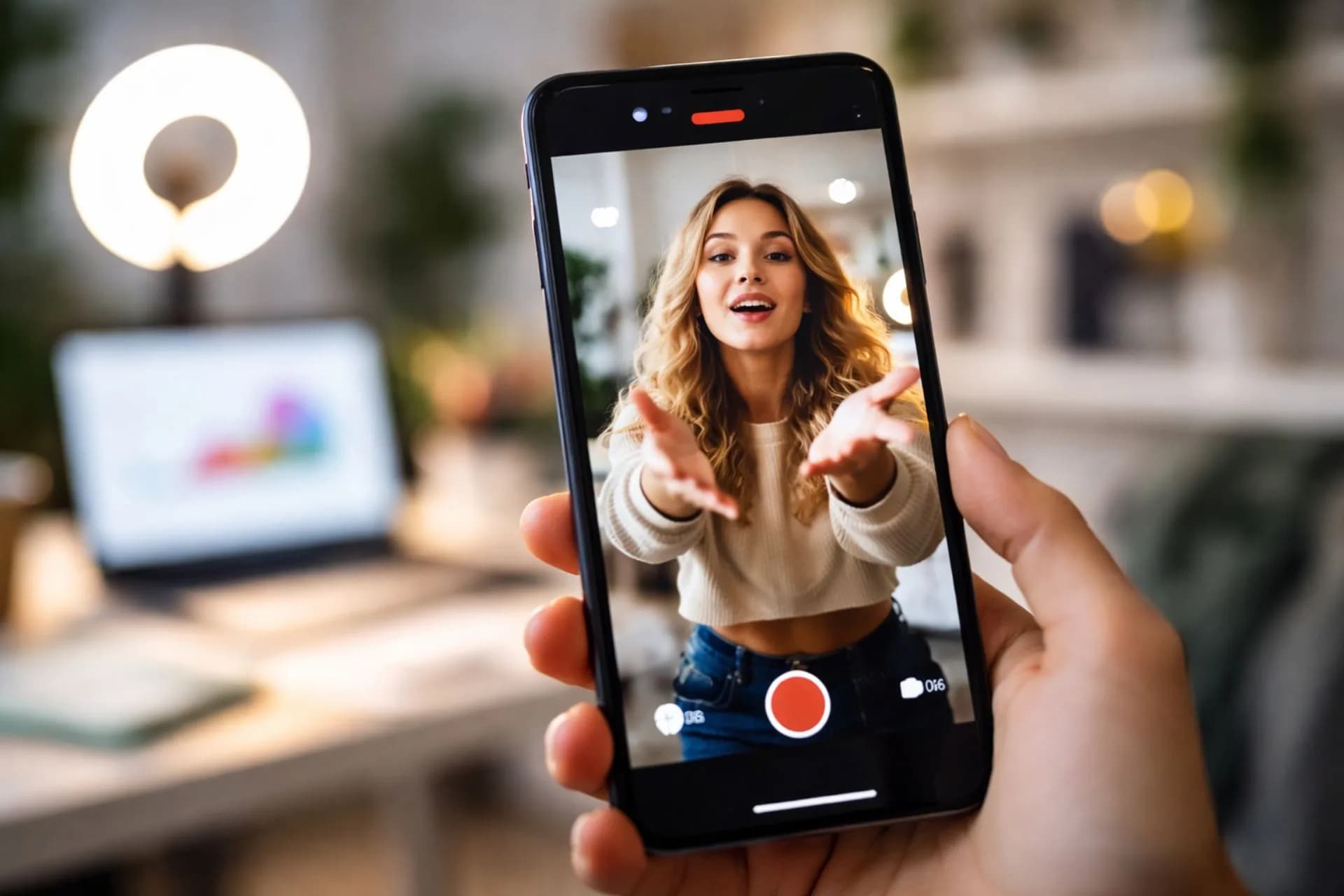
Why Brands Now Prefer UGC Over Traditional Influencers

In the last few years, marketing budgets have quietly shifted. Instead of pouring money into celebrity endorsements or mega-influencer campaigns, brands are increasingly investing in User-Generated Content (UGC)—real photos, videos, reviews, and testimonials created by everyday customers.
From ecommerce startups to global D2C brands, the message is clear: authentic content converts better than polished promotions.
So why exactly are brands choosing UGC over traditional influencers? Let’s break it down.
What Is UGC Marketing?
User-Generated Content (UGC) refers to any content created by customers or fans rather than the brand itself—think:
- Product unboxing videos
- Instagram Reels or TikToks using the product
- Customer testimonials
- Before-and-after photos
- Reviews and ratings
- Stories shared organically by buyers
Brands either encourage this content organically or collaborate with UGC creators—people who produce authentic-looking content for brands without necessarily posting it on their own channels.
Traditional Influencers vs UGC Creators
Before diving deeper, here’s the key difference:
Traditional Influencers
- Large follower base
- Post sponsored content on their profiles
- Charge for reach + brand association
- Highly curated personal brand
UGC Creators
- May have small or no public following
- Create content for brand use in ads, websites, and social media
- Paid for production, not reach
- Focus on authenticity and relatability
This shift is reshaping how digital marketing campaigns are built.
1. Authenticity Drives Trust
Consumers are more skeptical than ever. Highly polished influencer ads often scream “sponsored.”
UGC, on the other hand, feels:
- Real
- Relatable
- Unscripted
- Honest
Shoppers trust people who look like them. According to multiple marketing studies, consumers consistently say they trust peer recommendations more than brand advertisements.
SEO Tip: Search queries like “authentic brand content,” “UGC marketing benefits,” and “why UGC works” are growing—proof that marketers are actively researching this shift.
2. Higher Engagement Rates
UGC-style videos frequently outperform influencer posts when used in:
- Paid social ads
- Product pages
- Landing pages
- Email campaigns
Why? Because they blend seamlessly into social feeds and don’t feel like hard sells.
Brands report better:
- Click-through rates (CTR)
- Watch time
- Conversion rates
- Cost per acquisition (CPA)
This performance-driven approach makes UGC extremely attractive for growth-focused brands.
3. More Cost-Effective Than Influencers
Hiring top influencers can be expensive—sometimes thousands or even lakhs of rupees per post.
UGC creators typically charge for:
- Video creation
- Editing
- Usage rights
Not follower count.
That means brands can:
- Produce more content at lower cost
- Test multiple creatives
- Scale winning ads faster
- Reduce marketing risk
For startups and D2C brands especially, UGC offers a better ROI.
4. Perfect for Performance Marketing
UGC isn’t just for organic social—it’s dominating Meta Ads, TikTok Ads, YouTube Shorts, and landing pages.
Short-form, vertical, phone-shot videos that feel native perform better than studio commercials.
UGC fits perfectly with:
- Conversion-focused campaigns
- Retargeting ads
- Product launches
- App installs
Many media buyers now request UGC-style creatives before anything else.
5. Social Proof Boosts Purchase Decisions
Seeing real customers use a product reduces hesitation.
UGC works as social proof, showing:
- How the product looks in real life
- How it’s used
- Results after usage
- Honest reactions
Adding UGC to product pages has been shown to increase conversion rates because shoppers feel more confident before buying.
6. Easier to Repurpose Across Channels
One UGC video can be reused across:
- Instagram Reels
- TikTok
- Facebook Ads
- Website hero sections
- Amazon product listings
- Email newsletters
Traditional influencer contracts often restrict reuse. UGC deals usually include broader usage rights, making them far more flexible for omnichannel marketing.
7. Gen Z and Millennials Prefer Real People
Younger audiences value transparency and relatability over celebrity status.
They’re more likely to engage with:
- Raw testimonials
- Day-in-the-life product usage
- Honest reviews
- Micro-creators
Brands targeting Gen Z are especially leaning into UGC to stay culturally relevant.
8. Easier to Scale With AI & Creator Marketplaces
Today, brands can source UGC through:
- Creator marketplaces
- Freelance platforms
- Community campaigns
- AI-assisted editing tools
This makes producing high volumes of content faster than coordinating long influencer contracts and approvals.
Why Brands Prefer UGC
Brands now prefer UGC over traditional influencers because it offers:
- Higher authenticity and trust
- Better engagement and conversion rates
- Lower production costs
- Stronger ROI for ads
- Flexible usage rights
- Scalable creative production
- Appeal to Gen Z and millennials
As digital advertising becomes more competitive, UGC marketing is no longer optional—it’s a core growth strategy.
Final Thoughts
Traditional influencers still have value for brand awareness and prestige. But when it comes to driving sales, testing creatives, and building trust at scale, UGC is winning.
If you’re a marketer or brand owner wondering where to invest next—start experimenting with UGC in your ads, product pages, and email flows. Chances are, your performance metrics will thank you.