

Why Agencies Are Switching to Copyright-Safe Music for Campaigns
Music has always been a secret weapon in advertising. The right track can elevate a brand film, make a Reel go viral, or turn a simple product demo into an emotional story.
But today, agencies are rethinking their audio strategy.
With stricter platform policies, rising licensing costs, and brands running always-on digital campaigns, more creative teams are moving away from mainstream songs and toward copyright-safe music.
Here’s why that shift is accelerating—and what it means for modern marketing.
What Is Copyright-Safe Music?
Copyright-safe music (often called royalty-free music or licensed stock music) refers to tracks that brands can legally use in campaigns after purchasing or securing the proper license—without worrying about takedowns, muting, or copyright strikes.
This includes music from:
- Stock music libraries
- Subscription-based licensing platforms
- Commissioned original compositions
- AI-generated tracks with commercial rights
The key point: the usage rights are clear, documented, and campaign-ready.
The Rising Risk of Using Popular Tracks
Using chart-topping songs may feel culturally relevant, but it comes with serious drawbacks:
❌ Content Gets Muted or Removed
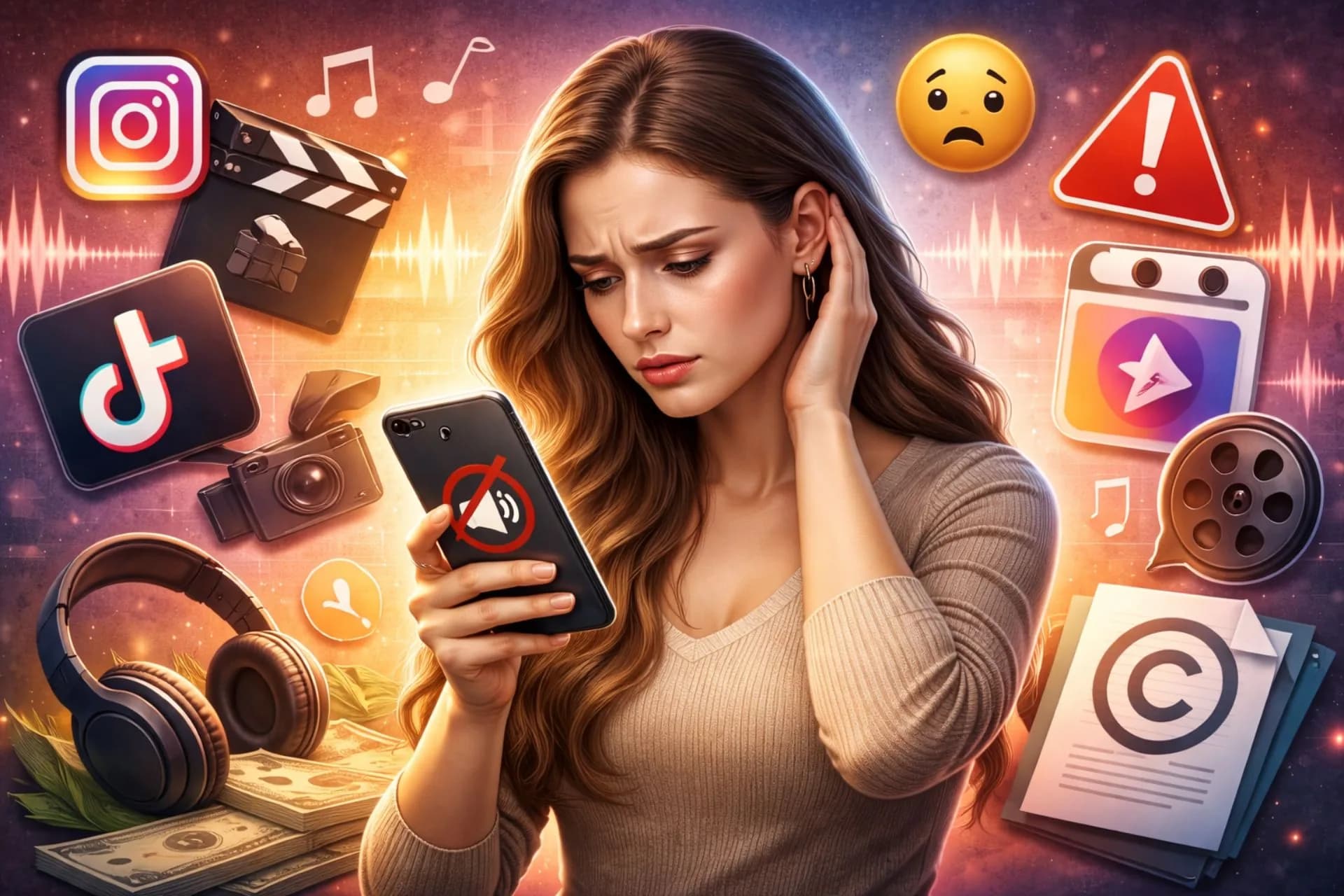
Platforms like Instagram, YouTube, and TikTok aggressively scan for copyrighted audio. Even paid ads can be muted, blocked in certain regions, or rejected entirely.
❌ Complex Licensing Negotiations
Commercial usage requires sync and master rights—often involving record labels, publishers, and territory-specific agreements.
❌ High Costs
Licensing a well-known song for a global campaign can run into lakhs—or even crores—making it impractical for performance marketing.
❌ Limited Usage Windows
Most licenses are time-bound. When they expire, brands may have to pull successful ads or re-edit entire campaigns.
Why Agencies Prefer Copyright-Safe Music Now
1. Guaranteed Platform Compliance
Copyright-safe tracks are cleared for commercial use, which means:
- Fewer ad rejections
- No sudden muting
- Reduced legal risk
- Smooth approvals across Meta, Google, and YouTube
For agencies managing dozens of campaigns at once, this reliability is priceless.
2. Better for Always-On Performance Campaigns
Modern marketing isn’t one TVC—it’s hundreds of creatives running continuously across platforms.
Copyright-safe music allows agencies to:
- Scale ad variations quickly
- Repurpose videos across channels
- Keep top-performing ads live for months
- Update visuals without renegotiating music rights
That flexibility is critical in performance-driven environments.
3. Cost Efficiency and Budget Control
Stock or licensed music platforms usually work on:
- Subscription models
- Flat-fee downloads
- Custom compositions at predictable costs
This makes budgeting far easier than negotiating high-profile sync deals—especially for startups, D2C brands, and regional campaigns.
4. Faster Turnaround Times
Campaign timelines are shrinking.
Instead of weeks spent clearing a hit song, agencies can browse copyright-safe libraries and find a track in minutes. That speed helps creative teams:
- Launch reactive campaigns
- Ride trends quickly
- Meet tight client deadlines
- Test multiple edits simultaneously
5. Global Rights Without Headaches
Many copyright-safe licenses include:
- Worldwide usage
- Multi-platform rights
- Paid ads permissions
- Long-term or perpetual use
That’s perfect for brands running cross-border campaigns or expanding into new markets.
6. Sound-First Branding Is Easier to Build
Agencies are increasingly thinking about sonic identity—a consistent audio style that becomes part of a brand.
With custom or licensed music, brands can:
- Develop signature tones
- Maintain consistency across ads
- Avoid sounding like every other campaign using the same trending song
- Own their audio aesthetic long-term
7. AI Music Is Entering the Mix
AI-generated music with commercial licenses is gaining traction in agency workflows.
It allows teams to:
- Generate multiple moods quickly
- Customize tempo and length
- Match edits precisely
- Avoid copyright claims altogether
While still evolving legally in some regions, agencies are cautiously testing AI audio for digital-first campaigns.
Why Agencies Are Switching to Copyright-Safe Music
Agencies are switching to copyright-safe music for campaigns because it:
- Prevents takedowns and copyright strikes
- Reduces legal and licensing risks
- Costs less than mainstream tracks
- Supports scalable performance marketing
- Speeds up production timelines
- Offers global usage rights
- Enables long-term brand consistency
What This Means for Brands
If your brand is running paid ads, influencer collaborations, or social-first campaigns, your music strategy matters more than ever.
Working with copyright-safe audio ensures:
- Campaign longevity
- Platform approval
- Legal peace of mind
- Better ROI on creatives
In a world where ads are constantly tested, paused, relaunched, and repurposed—safe audio isn’t a nice-to-have anymore. It’s essential.
Final Thoughts
Big-name songs still have a place in cinematic brand films and tent-pole launches. But for everyday digital campaigns, agencies are prioritizing speed, scalability, and security.
That’s why copyright-safe music is fast becoming the default choice in modern advertising.