


The Rise of “Micro-Micro Creators”: Why Brands Love <5K Accounts
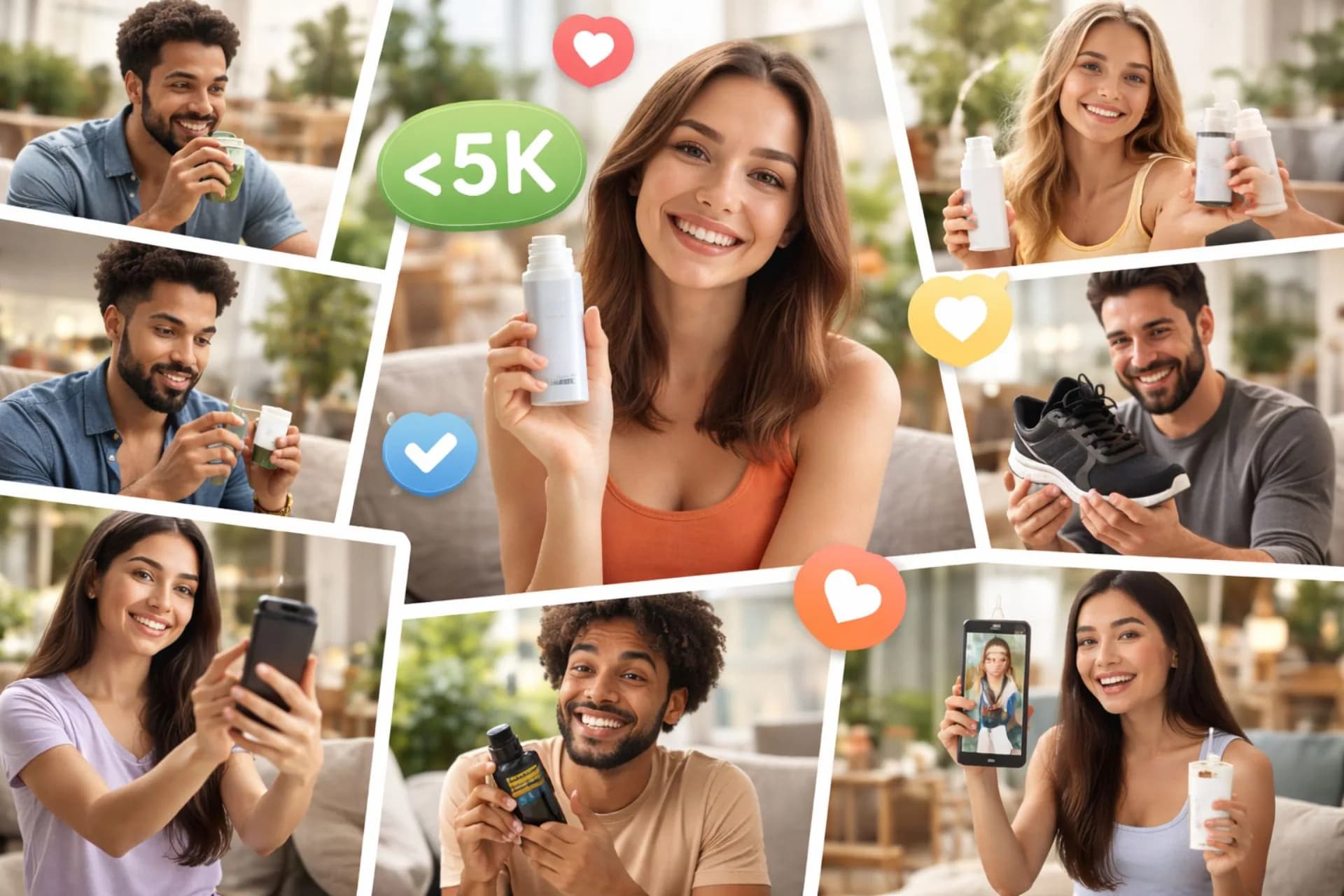
Influencer marketing used to be a numbers game—bigger following, bigger impact.
Not anymore.
Today, some of the most effective brand collaborations are happening with creators who have fewer than 5,000 followers. These ultra-niche profiles—often called “micro-micro creators” or nano creators—are quietly outperforming bigger names when it comes to trust, engagement, and conversions.
So why are brands obsessed with <5K accounts? And how are agencies building campaigns around them?
Let’s dive in.
Who Are “Micro-Micro Creators”?
Micro-micro creators are everyday users who:
- Have under 5,000 followers
- Post consistently in a niche (fitness, skincare, food, travel, tech, parenting, local fashion, etc.)
- Interact closely with their audience
- Feel more like friends than celebrities
Their content usually looks raw, personal, and community-driven—exactly what modern social platforms reward.
Why Brands Are Shifting Toward Smaller Creators
1. Trust Beats Reach
Audiences tend to trust creators who feel relatable.
When someone with 2,000 followers recommends a product, it often sounds like genuine advice—not an ad. That perceived authenticity drives:
- Higher comment activity
- More DMs asking questions
- Stronger word-of-mouth
- Better purchase intent
For brands chasing credibility, that’s gold.
2. Engagement Rates Are Often Higher
Smaller accounts typically have tighter-knit communities. They reply to comments, know followers by name, and spark conversations.
That leads to:
- Higher engagement percentages
- Longer watch times
- More saves and shares
- Better ad performance when content is repurposed
In many cases, a network of 50 nano creators can outperform one big influencer.
3. Budget-Friendly and Easy to Scale
Working with celebrities or macro influencers can drain budgets fast.
Micro-micro creators usually collaborate for:
- Modest fees
- Free products
- Affiliate commissions
- Performance-based deals
Brands can spread the same budget across dozens of creators, test different angles, and double down on what works.
4. Perfect for Hyper-Niche Targeting
Need to reach:
- Vegan runners in Mumbai?
- New moms in Bangalore?
- College students into streetwear?
- Home gym enthusiasts?
Chances are, micro-micro creators already speak directly to those communities.
Instead of broad reach, brands get laser-focused relevance.
5. Feeds the UGC Machine
Brands don’t just want posts—they want content.
Nano creators are excellent at producing:
- Product demos
- Testimonial-style videos
- Day-in-the-life clips
- Unboxings
- Before-and-after shots
Agencies often license this content and turn it into paid ads, landing-page visuals, or ecommerce creatives.
6. Lower Brand Risk
Smaller creators usually come with:
- Fewer PR controversies
- Less over-commercialized feeds
- More genuine enthusiasm for products
For cautious brands, that means lower reputational risk compared to highly visible influencers who work with dozens of sponsors.
7. Algorithms Favor Real Conversations
Social platforms increasingly reward:
- Comments
- Saves
- Shares
- Watch time
Micro-micro creators naturally spark these interactions, helping their content travel further organically—sometimes well beyond their follower count.
Why Brands Love <5K Creators
Brands are partnering with micro-micro creators because they offer:
- Higher trust and authenticity
- Strong engagement rates
- Affordable collaborations
- Hyper-niche audiences
- Scalable creator networks
- High-quality UGC
- Lower brand-safety risk
How Agencies Are Using Nano-Creator Networks
Forward-thinking agencies now build creator collectives instead of chasing one big name.
Typical strategies include:
- Recruiting 50–200 nano creators per campaign
- Sending product seeding kits
- Tracking affiliate links or discount codes
- Licensing the best-performing content
- Turning top videos into paid ads
- Renewing partnerships with high-converters
It’s less about fame—and more about performance.
Final Thoughts
The rise of micro-micro creators signals a bigger shift in digital marketing: credibility is beating celebrity.
As audiences tune out polished ads and over-sponsored feeds, brands are discovering that real influence often lives in small communities.
If you’re planning your next campaign, don’t just look at follower counts. Look for creators who:
- Spark conversations
- Serve specific niches
- Feel genuinely connected to their audience
Because in 2026, some of the most powerful voices online have fewer than 5,000 followers.