



How Music Influences Watch Time & Viewer Retention
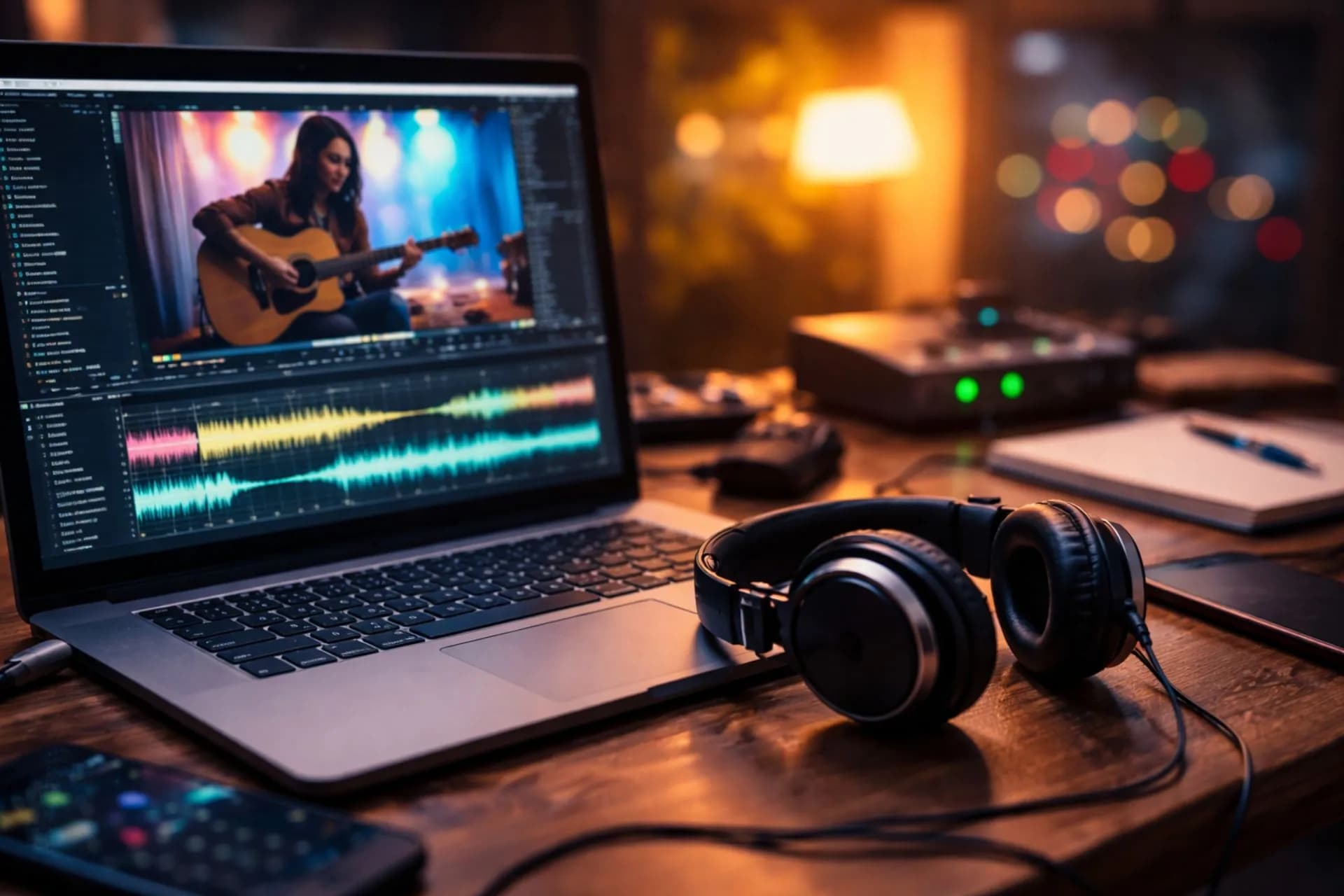
In today’s attention-driven digital ecosystem, watch time and viewer retention have become the most critical performance metrics for video platforms, OTT services, and social media algorithms. While visuals, storytelling, and pacing play obvious roles, music remains one of the most under-discussed yet powerful drivers of sustained viewer engagement.
From background scores in OTT series to music choices in brand videos and creator content, sound shapes how long audiences stay, how deeply they engage, and whether they return. This article explores how music directly influences watch time and viewer retention, backed by behavioral patterns, platform dynamics, and real-world content strategies.
Why Watch Time & Viewer Retention Matter More Than Views
Modern platforms like YouTube, Instagram, OTT apps, and short-form video platforms no longer optimize for clicks alone. Instead, they reward content that:
- Keeps viewers watching longer
- Reduces early drop-offs
- Encourages session continuation
- Signals emotional engagement
Music acts as an invisible retention tool, guiding emotions, setting rhythm, and subconsciously telling the brain whether to stay or leave.
The Psychological Role of Music in Viewer Attention
Music interacts directly with the brain’s emotional and cognitive centers. Unlike visuals, which require active focus, audio operates passively, influencing mood even when attention dips.
Key psychological effects include:
- Emotional anchoring: Music creates emotional context within the first few seconds
- Temporal perception: Engaging music makes time feel shorter
- Memory reinforcement: Viewers recall content better when paired with sound
- Mood alignment: Music synchronizes emotional expectations with the narrative
When music aligns with on-screen pacing, viewers feel “carried” through the content rather than pushed.
Music’s Impact on the First 10 Seconds (Critical Retention Window)
The first 5–10 seconds determine whether a viewer stays or scrolls away. Music plays a decisive role here.
Effective opening music:
- Sets tone instantly without overwhelming dialogue
- Matches the visual energy (not faster or slower)
- Signals genre and emotional direction
- Creates familiarity or curiosity
A weak or mismatched soundtrack often leads to early abandonment, even if the visuals are strong.
Background Scores vs. Silence: What Works Better?
Contrary to popular belief, silence does not always create impact. In most digital formats:
- Subtle background scores increase average watch time
- Silence works only when intentionally designed for tension or realism
- Inconsistent or abrupt audio changes break viewer immersion
Music provides continuity, especially in long-form or episodic content, where viewers need subtle cues to stay mentally present.
How Music Improves Viewer Retention in Long-Form Content
For OTT series, documentaries, podcasts with visuals, and branded films, music functions as a retention bridge between scenes.
It helps by:
- Smoothing scene transitions
- Maintaining emotional momentum
- Preventing cognitive fatigue
- Reinforcing narrative arcs
Viewers are more likely to complete episodes when music maintains a consistent emotional thread.
The Role of Music in Short-Form & Social Video Retention
Short-form platforms operate on rapid attention shifts. Music becomes the primary hook, often even before visuals register.
Retention-driven music strategies include:
- Familiar or trending audio cues
- Beat drops synced with visual transitions
- Loop-friendly sound design that encourages replays
- Rhythm-based editing
Music doesn’t just support content here, it becomes the content.
Algorithmic Signals: Why Platforms Reward Music-Driven Engagement
Platforms track:
- Watch duration
- Replays
- Completion rate
- Sound-on behavior
Music increases:
- Sound-on retention
- Session time
- Emotional response signals (likes, saves, shares)
Content with strong audio engagement often receives higher algorithmic distribution, leading to compounding reach.
Music Licensing & Retention: Why Rights Matter
Using the right music legally isn’t just about compliance—it impacts performance.
Licensed and platform-safe music:
- Avoids content takedowns or muted audio
- Maintains consistent playback across regions
- Ensures uninterrupted viewing experience
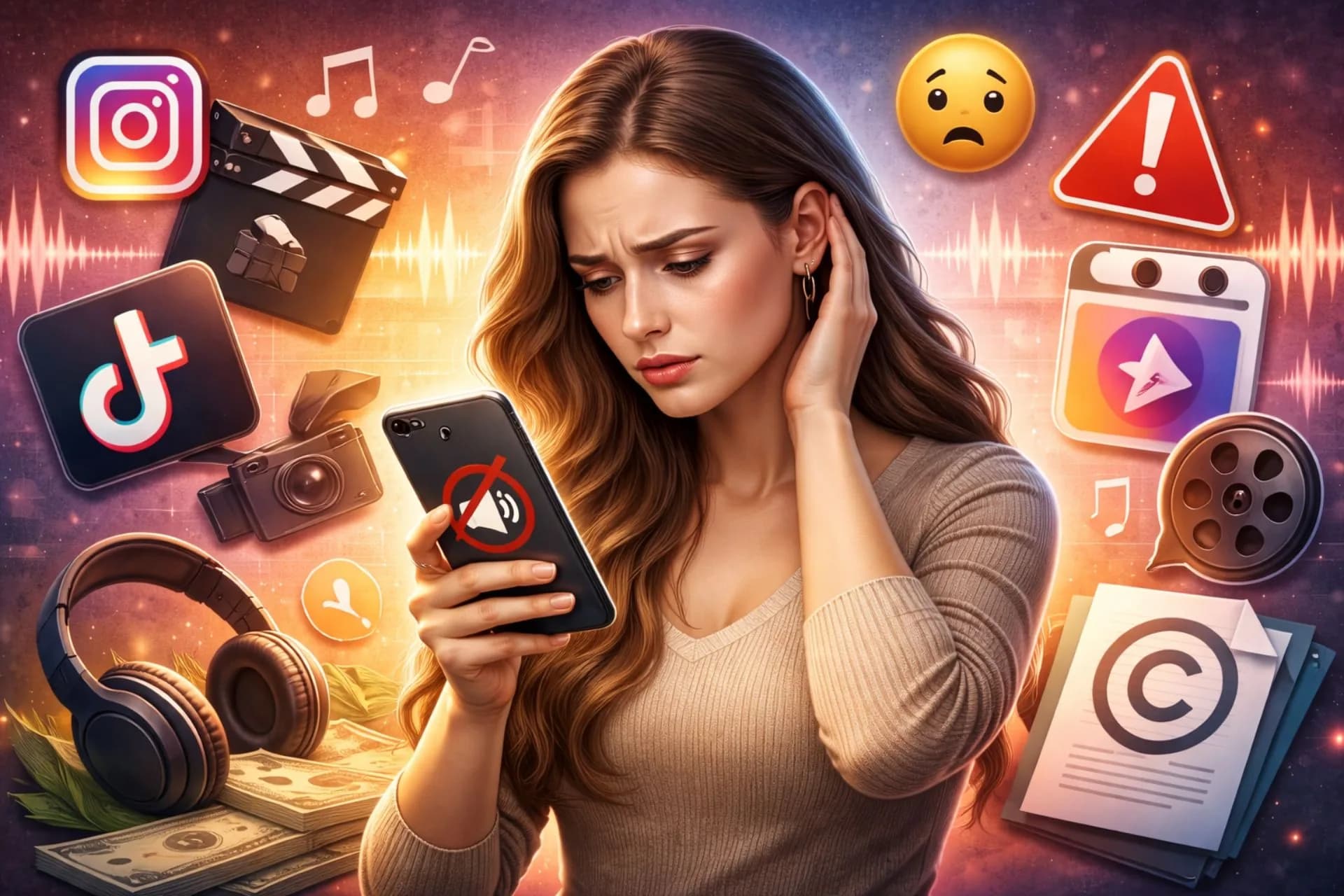
Muted or replaced audio due to copyright issues can destroy retention metrics overnight.
Best Practices: Using Music to Maximize Watch Time
To optimize viewer retention through music:
- Choose music that matches pacing, not personal taste
- Avoid abrupt track changes unless intentional
- Keep music levels balanced with dialogue
- Use recurring themes for episodic content
- Test different soundtracks in A/B experiments
Music should feel invisible yet essential, noticed only when missing.
The Future of Music-Led Retention
As AI-driven content, interactive media, and adaptive soundtracks evolve, music will become increasingly dynamic and personalized. Platforms may soon adjust background scores based on viewer behavior in real time.
In this future, music won’t just influence watch time, it will actively shape it.
Final Thoughts
Music is not an accessory to video content; it is a core engagement driver. When used strategically, it increases watch time, strengthens viewer retention, and enhances emotional resonance across platforms.
In a world where attention is scarce, the right music can be the reason viewers stay, without ever realizing why.